Best Brand Management Books in 2026: 15 Branding Books to Read
Branding is not just the logo, the colors, or the clever line someone puts in a homepage hero. It is the way a business gets remembered. The way it earns trust. The way people understand what it stands for before they ever talk to a salesperson.
That is why the best brand management books are worth keeping close. They help you think through strategy, positioning, identity, storytelling, consistency, and all the little decisions that shape how a brand feels in the real world.
Below, I’ve rounded up the best brand management books and branding books to read in 2026, including practical guides, visual playbooks, storytelling frameworks, founder memoirs, and a few marketing classics that still hit harder than most modern threads and LinkedIn carousels.
If you’re building a startup, refining your brand identity, improving website messaging, or trying to understand why certain brands stick, these books are a strong place to start.
To go even deeper into brand strategy, you can also check out my guide on branding tactics.
Each book pick below includes:
- What it’s best for
- Why it works
- Key takeaways
- Who should read it
- A link to check the price on Amazon
Table of Contents
Quick Picks: Best Branding Books by Goal
- Best Overall Branding Book: The Brand Gap by Marty Neumeier
- Best Visual Guide: Designing Brand Identity by Alina Wheeler
- Best for Storytelling & Messaging: Building a StoryBrand by Donald Miller
- Best for Positioning: Positioning: The Battle for Your Mind by Al Ries and Jack Trout
- Best for Entrepreneurs & Founders: Start With Why by Simon Sinek
- Best Real-World Brand Journey: Shoe Dog by Phil Knight
Why You Can Trust This List
I read this stuff for real. Not for filler. Not for a roundup.
I’ve used many of the books in this list while helping real companies sharpen their branding and clean up their messaging, whether that work came through a marketing agency, freelance client, or full-time writing and editing role. Some of them are marked up, dog-eared, packed with notes in the margins. The whole thing.
I’ve worked with startups, agencies, and small businesses that needed a brand identity fast. These examples of the best branding books actually helped me do that. So this isn’t an AI list or a copy-and-paste from Amazon. It’s the same stuff I hand to clients when they ask, “Where should I start?”
You can also explore my full breakdown of content marketing best practices.
What Makes a Great Brand Management Book?
A great brand management book should help you make better decisions, not just give you nicer words for a mood board. The best ones explain how brands are built across strategy, design, messaging, customer experience, and consistency.
Some of the books below focus on visual identity. Others are better for positioning, storytelling, founder thinking, or long-term brand growth. That mix matters because brand management is not one single task. It is the ongoing work of keeping a business recognizable, trusted, and different enough to choose.
For me, the best branding books are the ones I can actually use with client work. If a book helps me clarify a message, explain a brand direction, sharpen a content strategy, or understand why a business feels forgettable, it deserves a spot here.
The Best Brand Management Books and Branding Books to Read in 2026
The basics are out of the way. Let’s get into it. Here are the best branding books that actually deserve a spot on your 2026 reading list. Each one brings something different to the table. Need clarity on that 2026 Q4 social media strategy? Want to stop staring at a blank Canva screen? I got you.
1. The Brand Gap by Marty Neumeier
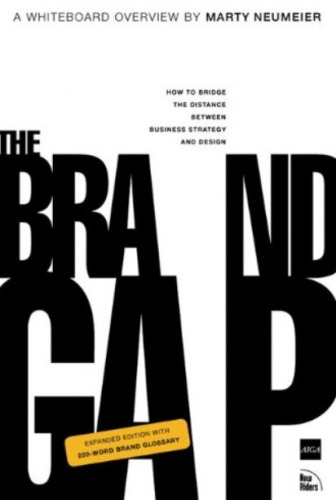
Branding feels mysterious until someone explains it in plain English. That’s what Neumeier does here. Quick read. Sharp ideas. A little punch in the ribs if you’ve been overthinking your brand direction.
Best for:
- Anyone who wants a clear “brand basics” foundation
- Solopreneurs and small teams
- People who want a fast read, not a textbook
Why it works
Neumeier bridges strategy and design without drowning you in jargon. You get simple concepts like “onlyness,” clarity, focus — things you can use immediately. It’s almost unsettling how many “oh… that’s why my messaging sucks” moments this book gives you.
Key takeaways:
- Brands live in people’s heads, not in your logo.
- Differentiation is survival.
- A brand is a gut feeling (and yes, that matters more than you think).
A quick personal note
I still use Neumeier’s frameworks when I’m helping clients figure out why they blend in or why their story feels messy. It’s one of the best branding books that hits just as hard on the tenth read as the first. If you’re sharpening brand clarity or messaging, my getting started with content marketing guide pairs perfectly with this book.
2. Designing Brand Identity by Alina Wheeler and Rob Meyerson
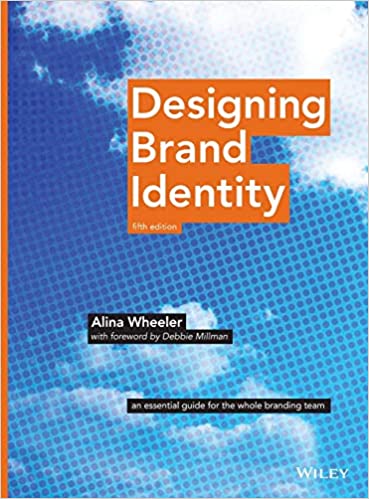
Some of the best branding books explain ideas. This one shows them. If you like visuals, frameworks, workflows, and seeing how real brands come together piece by piece, Wheeler’s guide feels like opening the hood on professional branding.
Best for:
- Designers
- Founders building a brand from scratch
- Anyone who needs a clear, structured process
Why it works
It breaks branding into a five-part system that actually makes sense when you’re in the middle of a messy brand project. You see real case studies, examples, and identity systems that don’t just look good — they work.
Key takeaways:
Branding is a system, not a single moment.
Consistency is more valuable than perfection.
Great identities evolve, they don’t explode into existence.
3. Building a StoryBrand by Donald Miller

If your message feels foggy or your website “sounds like everyone else,” this is the best branding book for you. Miller shows you how to position your customer as the hero (not you), and how to explain what you offer without rambling through buzzwords.
Best for:
- Website copy
- Brand messaging
- People who struggle with clarity
Why it works
It gives you a plug-and-play storytelling structure. The hero. The problem. The guide. The plan. The transformation. It’s simple because it’s meant to be used by regular people, not just pro copywriters.
Key takeaways:
- If you confuse, you lose.
- Customers don’t care about your story — until it helps them survive.
- Messaging should feel like a clear path, not a puzzle.
From my experience…
I’ve used the StoryBrand structure often, especially as I’m currently helping a beverage company transition its messaging from being ingredient-focused (which comes off as clinical, boring, and not appealing to their younger audience) to focusing on the experience and “vibes” of functional beverages.
To learn from real-world messaging examples, here’s a curated list of the best content marketing blogs.
4. Positioning by Al Ries and Jack Trout
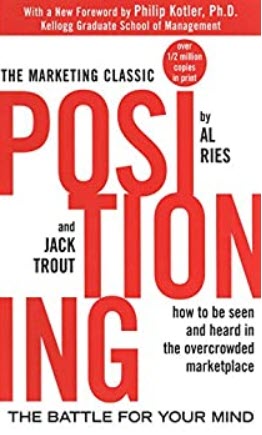
This is one of the best branding books of 2026 that quietly sits behind half the marketing strategies you see today. Ries and Trout don’t sugarcoat anything — they explain why markets are battles for the mind, not the product shelf, and why being first in a category matters more than being “better.”
Best for:
People figuring out “where their brand fits”
Marketers stuck in crowded niches
Anyone struggling to differentiate
Why it works
It teaches you to stop fighting unwinnable battles. Instead of trying to be everything to everyone, you find the angle that gives you your own lane. Sometimes that means repositioning your competitors. Sometimes it means narrowing your focus to win loyalty faster.
Key takeaways:
- Being first beats being best.
- The mind only has room for a few options.
- If a category is crowded, create a new one.
5. Start With Why by Simon Sinek
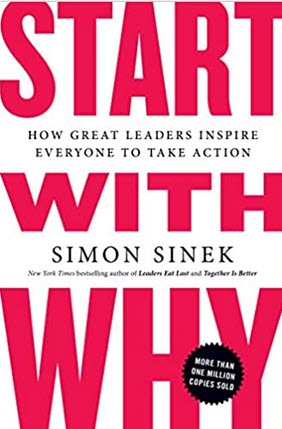
Sinek’s whole argument hits you fast: people don’t buy what you do — they buy why you do it. It’s part philosophy, part leadership guide, and part branding blueprint for anyone trying to build something people actually care about.
Best for:
- Founders
- Personal brands
- Anyone shaping a mission or brand story
Why it works
What makes this one of the best branding books is that it forces you to zoom out. Instead of obsessing over features, logos, or clever phrases, you start thinking about belief, purpose, and emotional resonance. Brands with a strong “why” attract more loyal customers and build deeper trust. It sounds simple, sure, but most brands skip this part entirely.
Key takeaways:
- Purpose drives loyalty.
- Customers follow beliefs, not bullet points.
- A clear mission makes decisions easier (and marketing smoother).
If your brand is built around purpose and loyalty, my guide on advocacy marketing shoes how to turn customers into long-term supporters.
6. Power Branding by Steve McKee
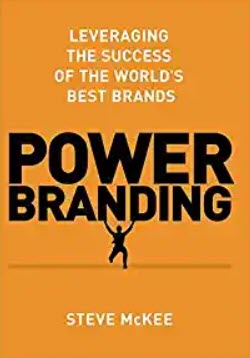
McKee pulls back the curtain on what separates brands that quietly grow from the ones that stall out. This pick is part psychology, part pattern recognition, part “let’s be honest about why this isn’t working.”
Easy to read. Surprisingly sharp.
Best for:
- Entrepreneurs
- Marketers looking for practical examples
- Anyone who learns best from case studies
Why it works
McKee doesn’t theorize — he shows you real companies and the choices that shaped them. You see patterns in momentum, clarity, timing, and why mediocre branding usually comes from indecision, not lack of talent.
Key takeaways:
- Strong brands eliminate gray areas
- Momentum is built by consistent choices
- Case studies reveal what data alone can’t
Here’s where I applied this book
This book has been a major help in branding as I’ve spent the past two years writing and editing content for one of New York’s oldest dental practices.
We’re talking 2,000+ word service pages and blog posts with a single image. Messaging that couldn’t be more all over the place if it tried. The tips I picked up in Power Branding have helped me form a consistent brand voice that transformed content so clinical and jargon-filled it would put the most interested dental experts to sleep into copy that connects with the average person.
7. Identity Designed by David Airey

Airey takes you inside real brand projects—sketches, early drafts, client feedback, the whole messy process. It’s a visual look at how identities actually get built, not a theoretical guide.
Best for:
- Designers
- Founders trying to understand design decisions
Why it works
This is one of the strongest branding books for seeing how ideas turn into systems: logos, colors, typography, usage rules, and the little decisions that keep everything consistent. It’s practical and easy to flip through if you’re trying to understand how good branding works in the real world.
Key takeaways:
- Strong identity = consistent system
- Good design solves real problems
- Small details shape the overall feel
8. Branding in Five and a Half Steps by Michael Johnson
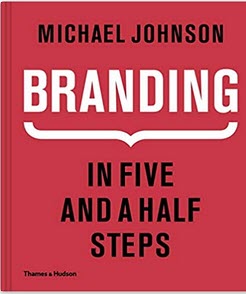
Johnson breaks branding into a simple step-by-step sequence, which makes the whole process feel more manageable. It’s part strategy, part design, part behind-the-scenes look at how major brands shape their identities.
Best for:
- Anyone who wants a structured approach
- Founders sorting out their first brand
- Marketers who like checklists
Why it works
You get a clean framework: investigation, strategy, design, rollout, and engagement. It’s organized, visual, and easy to apply even if you’re not a designer.
Key takeaways:
- Strong brands start with research
- Strategy comes before visuals
- A clear process saves time later
9. Book of Branding by Radim Malinic
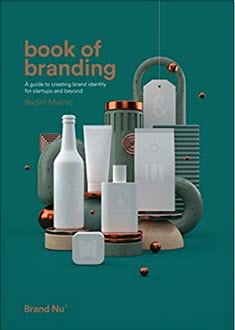
This one focuses on branding for startups and small teams, with a practical, creative tone that feels more real-world than textbook. Malinic mixes design advice, business lessons, and real-world realities of working with clients.
Best for:
- Startups
- Small businesses
- Anyone building a brand from scratch
Why it works
It’s honest and easy to read. Malinic talks about pricing, presenting work, dealing with clients, and building identity systems without a giant budget.
Key takeaways:
- Start small and refine
- Branding requires experimentation
- Good communication matters as much as design
Building a brand from scratch? Don’t miss my guide on startup marketing strategies.
10. Brand New by Wally Olins
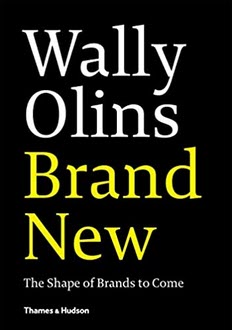
This is one of the best branding books if you’re interested in where branding is headed. The shifts in culture. How brands evolve to stay relevant. It’s more conceptual than tactical, but still interesting if you like seeing how the industry changes.
Best for:
- Creative teams
- Founders curious about trends
- Anyone who likes big-picture thinking
Why it works
It blends commentary, visuals, and future-facing ideas. Not a “how-to,” but a strong overview of where brand identity is moving.
Key takeaways:
- Brands evolve with culture
- Visual simplicity still wins
- Authenticity matters more every year
11. Logo Design Love by David Airey
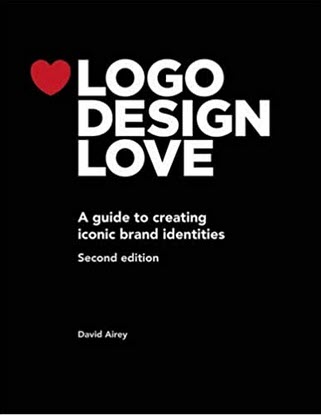
Airey breaks down how logos are actually created — the sketches, iterations, strategy, and reasoning behind strong marks. It’s simple, visual, and surprisingly helpful for understanding what makes a logo memorable.
Best for:
- Designers
- Founders working on a new identity
- Anyone interested in the creative process
Why it works
It shows the thinking behind good logo design instead of just showcasing finished pieces. You see how small decisions shape how a brand feels.
Key takeaways:
- Strong logos are simple and timeless
- Versatility matters more than complexity
- Strategy drives design, not the other way around
Where this helped me:
The principles taught in Logo Design Love helped me spot the importance of using consistent logos. Some brands understand this right out of the gate. However, some clients who aren’t necessarily the most marketing savvy will likely have logos that don’t convey the same feel used across the web, in print, or both.
12. What Great Brands Do by Denise Lee Yohn
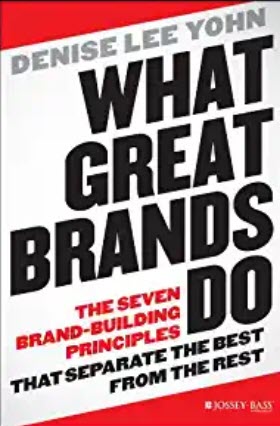
Yohn breaks branding into seven core principles that strong companies follow: clarity, consistency, purpose, and a whole lot of discipline. It’s practical, straightforward, and filled with examples from well-known brands.
Best for:
- Small businesses
- Marketers looking for foundational habits
- Anyone trying to “level up” their brand thinking
Why it works
This is an example of one of the best branding books that focuses on behavior, not hype. You see how great brands make decisions, not just what their outcomes look like.
Key takeaways:
- Brand building is daily work
- Purpose guides decisions
- Consistency builds trust
13. Purple Cow by Seth Godin
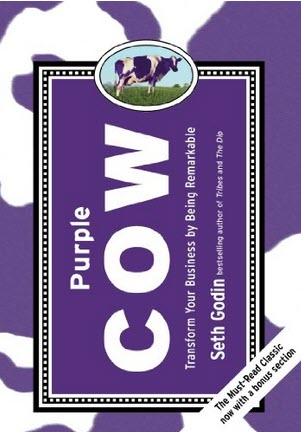
Godin’s message is simple: being good isn’t enough — you have to be remarkable. He uses the “purple cow” idea as a metaphor for standing out in crowded markets, and the book is full of examples from brands that broke patterns.
Best for:
- Entrepreneurs
- Creatives
- Anyone trying to differentiate
Why it works
It pushes you to stop playing it safe and start finding what actually makes your brand interesting.
Key takeaways:
- Safe = invisible
- Being remarkable earns attention
- Risk is part of modern marketing
14. The 22 Immutable Laws of Branding by Al Ries and Laura Ries
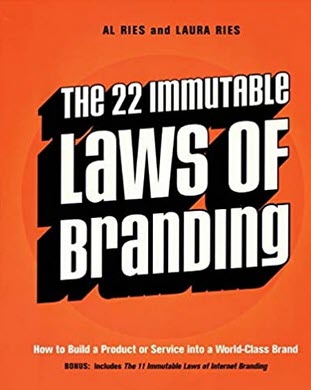
A fast, principle-driven book that breaks branding down into simple laws: focus, expansion, categories, names, consistency, and more. It’s old-school, but the lessons still show up in modern marketing.
Best for:
- Founders
- Marketers
- Anyone who likes bulletproof rules
Why it works
It’s short, direct, and packed with concepts you can apply immediately — especially around narrowing your focus and choosing a clear brand direction.
Key takeaways:
- Narrowing is powerful
- Names matter
- Brands grow by owning one thing
15. Shoe Dog by Phil Knight
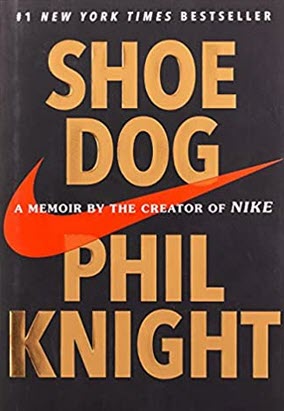
Knight’s memoir isn’t a branding manual, but it’s one of the best looks at how a major brand was built from nothing. It’s raw, personal, and filled with moments where Nike’s identity took shape through decisions, risks, and stubborn belief.
Best for:
- Entrepreneurs
- Creatives
- Anyone who loves founder stories
Why it works
It shows that brand identity isn’t born in a workshop — it’s built through real-world struggle and thousands of tiny decisions over time.
Key takeaways:
- Persistence shapes brand identity
- Vision matters more than polish early on
- Great brands grow with their founders
Wrapping Everything Up
The best brand management books give you a better way to look at the thing you’re building.
Not just the logo. Not just the colors. Not just whatever sentence is currently sitting at the top of your homepage because nobody has had the time, energy, or emotional strength to rewrite it yet.
And if you’re at the point where you’ve read the books, stared at the website, opened the Google Doc, closed the Google Doc, reopened it, and thought, “Okay, but how do I actually say this?” Well, that’s where I can help.
At Content Marketing Life, I help businesses turn scattered ideas into clearer website copy, blog content, editing, and content strategy. The goal is simple: make your message easier to understand, easier to trust, and easier for the right people to act on.
So if your brand has the ideas but the words still feel off, start with the Content Marketing Life homepage. You’ll get a better feel for what I do, how I think about content, and how I can help sharpen the message behind your business.

Alex Eagleton is a copywriter and digital marketer with a decade of experience helping companies connect with their audiences. He’s written for brands such as Microsoft, Roku, and Ramsey Solutions, and specializes in creating content that not only informs but drives measurable results. Known for his versatility, Alex adapts seamlessly to different voices and tones, making him a trusted partner for businesses looking to grow through content.
When he’s not writing, he enjoys spending time with his dogs, reading, and playing guitar.
You can reach him by emailing alex@contentmarketinglife.com.